
Therapy for Relationship Issues
and Intimate Partner Violence
Something feels off. Your body is reacting. Maybe you're walking on eggshells, second-guessing yourself, caught in constant conflict, or wondering why you keep ending up in the same patterns.
You don’t need a label—or a perfectly clear explanation—to seek therapy. We can untangle things together.
Whether you’re presently navigating an unhealthy relationship, rebuilding after one, or trying to make sense of what happened, therapy can help. From there, you can reconnect with yourself, regain trust in your instincts and become better equipped to recognize and navigate risk in the future—with greater clarity, confidence, and choice.
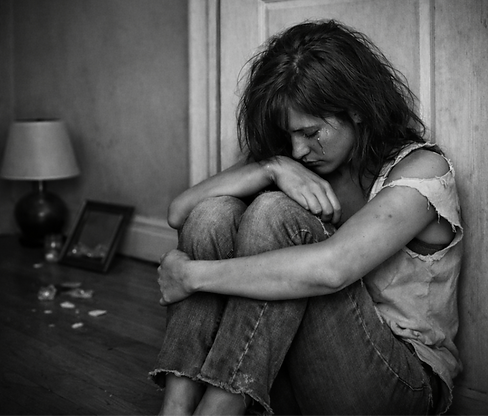
How therapy can help with Relationship Struggles
Areas of Support
-
Understanding relationship patterns — recognizing recurring dynamics, attachment patterns, red flags, and unhealthy behaviours.
-
Boundaries & communication — learning to set boundaries, communicate more effectively, and navigate conflict.
-
Self-worth & identity — rebuilding confidence, self-esteem, and your sense of self within and outside of relationships.
-
Difficult relationship dynamics — navigating manipulation, gaslighting, control, narcissistic traits, and other confusing behaviours.
-
Breakups & separation — coping with rejection, loss and the emotional aftermath of a relationship.
-
Deciding whether to stay or leave — working through uncertainty, fear, practical barriers, and the challenges that can come with leaving.
-
Recognizing risk — becoming better equipped to identify warning signs and navigate potentially unsafe situations.
-
Domestic Violence/Intimate partner violence — understanding the cycle of abuse, power and control, and the impact of emotional, psychological, financial, and other forms of abuse.
-
Safety planning & risk assessment — developing practical strategies when a relationship becomes unsafe.
-
Parenting & high-conflict relationships — navigating co-parenting challenges, parental alienation, and ongoing conflict.
-
Anger & emotional regulation — understanding and managing difficult emotions that arise within relationships.
Is my relationship unhealthy?
Spot the signs before they become scars
-
Tries to control where you go, who you see, or how you spend your time.
-
Makes you feel that no one else would want you if you left.
-
Expects you to cater to their needs or anticipate their wants—and punishes you when you don’t.
-
Treats you as though they own you or have a right to control you.
-
Is frequently critical, insulting, or degrading.
-
Makes misogynistic or degrading comments about you or other women.
-
Lies frequently, even about things that seem insignificant.
-
Gaslights you by denying things they said or did, or insisting events happened differently than you remember.
-
Blames others for their mistakes and misfortunes, and holds you responsible for their harmful behaviour.
-
Avoids accountability and rarely (or never) apologizes.
-
Uses guilt, pressure, or emotional manipulation to get you to comply with their demands.
-
Regularly portrays themselves as the victim rather than taking responsibility for their behaviour.
-
Monitors or invades your privacy — checks your phone, messages, social media, location, or whereabouts without your consent.
-
Punishes you for asserting yourself — responds to disagreement, boundaries, or independence with threats, intimidation, silent treatment, withdrawal of affection, retaliation, or other consequences.


When relationships take a toll
Difficult or unhealthy relationships can affect much more than your relationship itself. You may notice changes in how you think, feel, make decisions, or respond to the world around you—both during the relationship and long after it ends.
-
Feeling confused, overwhelmed, or mentally drained
-
Second-guessing yourself, your memories, or your decisions
-
Losing confidence in your judgment or ability to trust yourself
-
Lowered self-esteem or a diminished sense of self
-
Feeling constantly on edge, easily startled or hypervigilant.
-
Finding yourself stuck in fight, flight, freeze, or people-pleasing responses.
-
Becoming more sensitive to conflict, criticism, yelling, or other triggers
-
Struggling to make decisions or know what you want
-
Feeling shame, guilt, anger, or resentment about the relationship or how it unfolded
-
Experiencing anxiety, depression, panic, or emotional overwhelm
-
Feeling isolated, lonely, or disconnected from yourself or others
-
Turning to alcohol, drugs, medication, or other coping strategies to numb or manage difficult emotions
-
Feeling irritable, reactive, or unlike yourself
-
Experiencing thoughts of suicide or feeling that things are hopeless
"It’s not just the bruises on the body that hurt. It’s the wounds of the heart and the scars on the mind".
-Aisha Mirza